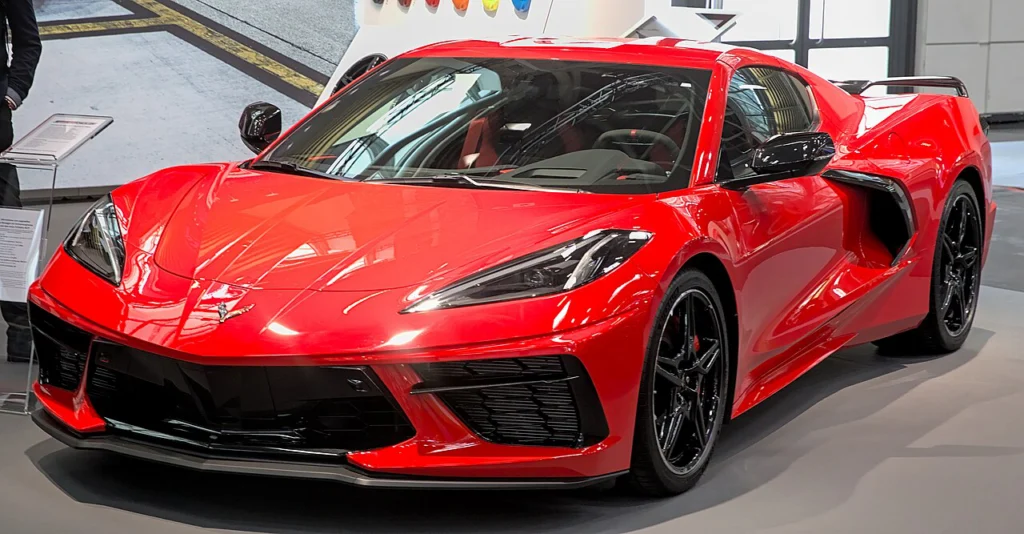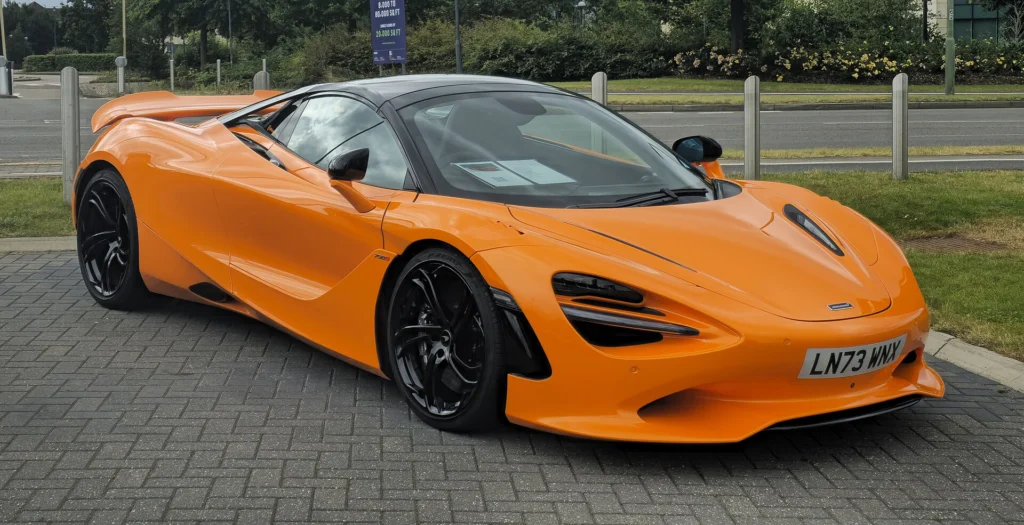
Driving a supercar in New York City can be a lot of fun, for the first few blocks at least. The easy part is renting one for the road. The harder part is, if you want to use the speed, sign up for a track day, or a club day, where you can drive fast without breaking traffic laws. If you want to try the track experience, but don’t want to subject your daily driver to the stress and risk of high-performance driving, renting a supercar (or even a more basic sports car) can be an excellent option. Additionally, renting allows you to try out multiple cars to get a better sense of what you’re looking for before making a large financial investment, or if you’re not ready to add a dedicated track car to your garage. Renting also lets you put off having to deal with maintenance and repairs, which can get expensive quickly, especially with high-performance cars.
Speeding on New York roads is a great way to build a bad driving record. The DMV gives 11 points for more than 40 mph over the limit. And if you can’t resist racing on the highways, that’s a misdemeanor, up to 30 days in jail for a first conviction. Of course, the real reason to skip a joyride on public streets is the possibility of hurting yourself and others.
If you do rent a supercar for the road, there are certain restrictions to keep in mind. The law prohibits rental companies from refusing to rent to anyone 18 or older simply because of age, provided that insurance coverage is available for that age. Additional drivers can be added to the contract for an extra fee of at most $5 per day.
Damage waivers for rented vehicles are optional in New York, but if you choose to purchase one you can face varying costs depending on the price of the vehicle. Damage waivers for cars with an original manufacturer’s suggested retail price (MSRP) ranging from $35,000 to $50,000 are capped at $15 per day. For vehicles with a higher MSRP, there is no cap on the damage waiver and the company sets it by fair market value. As most supercars have an MSRP over $50,000, the damage waiver can be a significant additional cost.
You may think that your credit card rental coverage will come in handy, but this protection may not cover supercars. Take the Chase Sapphire Preferred for instance. The fine print excludes vehicles with an MSRP over $125,000 and explicitly mentions Ferrari, Lamborghini, McLaren, and Rolls-Royce as exclusions.
On the track side, the least expensive option is to just show up at the track with your daily driver. At Lime Rock Park, for example, the Track Tapas track experience program includes 2 hours on their road course and costs $195 per person. The next level of experience is a full-day private instruction program, like the one offered by Monticello Motor Club. For $3,100 you can drive your own car on their 4.1-mile track all day long. If you don’t have a suitable vehicle, you can rent one of their fleet BMWs, although this will cost more as fuel and insurance are included.
If you’re serious about tracking a car but don’t want to buy one, arrive-and-drive services have you covered. In addition to race car prep and trackside support, these rental companies supply the safety gear you’ll need. Some also provide coaching. Kaizen Autosport, Corsa Crew, Open Throttle Racing and RWF Motorsports are just a few of the arrive-and-drive companies that partner with track day groups like JZilla Track Days.
If you want to rent a dedicated track car, consider peer-to-peer rentals offered by owners of track-built cars like Spec Miatas or E36s, often at lower rates than pro companies charge. This approach also gives you access to local track knowledge. Another option is to look at factory programs offered by brands like Porsche, BMW, Mercedes-AMG, and Audi. These provide a good introduction to track driving but can be more structured and less flexible than renting a car. Finally, there are exotic experiences like Xtreme Xperience that offer supercars like Ferrari, Lamborghini, and McLaren with coaching included for a premium price.
Daily rates for track rentals range from about $500 to $800 for a stock Miata, to $800 to $1,500 for a more heavily modified car. A Porsche Cayman S, Corvette or BMW M3 might cost $1,500 to $3,000, while Radical SR3 race cars run from $3,000 to $6,000. For the ultimate experience, a GT4 Clubsport or Lamborghini ST can cost anywhere from $5,000 to over $14,000 per day. Renting a track car isn’t just a daily rate. Expect fuel to cost $100-$400 a day. Then there’s insurance for crash damage, $150-$1,750 a day. Security deposits are refundable after the event, but range from $5,000-$25,000. And finally, registering for the HPDE is a separate fee paid to the event organizer.
When to move up? For your first five track days, a Miata, 86/BRZ, or BMW 3-series is ideal. These cars have low power and forgiving handling, and it won’t break the bank if something goes wrong. Many companies require beginners to hire a coach, and that’s money well spent. If you’ve driven 5 to 20 days, consider an M3/M4, Boxster/Cayman, S2000, or turbo Miata. With 20 or more days under your belt, you can try out a 911, Corvette Z06, Spec Miata, Radical, Ginetta, GT4, or GT3.
Before Booking a Track Car
Most auto insurers added HPDE exclusions over the past decade, so your own policy may not cover a track day. Most track day rentals require some kind of track day insurance. Hagerty, Traction, RLI Direct, and OpenTrack are a few of the companies that offer insurance tailored for track days. These policies usually cover damage and liability, but exclude mechanical breakdown, wear items, and driver negligence. Be sure to read the policy carefully to understand the exclusions.
Beyond insurance, clarify what’s included in the rate and what costs extra, such as fuel. Ask about requirements for prior track experience. Inquire about the damage policy, deductible, and refundable deposit amount. Find out if insurance is required or provided, and if there are any restrictions based on track conditions or weather. Discuss what would happen if the car suffers mechanical failure. Be honest about your own track experience level; a good rental shop would rather know your experience than find out when you’ve spun out on lap three.
On the day, take the first few sessions at 60-70 percent, and learn how the car talks to you. Brake feel, turn-in, and throttle response will all be different. Build your speed gradually as you feel out the grip levels. Photograph any existing damage before driving the car, even if the outfit does a walk-around with you. And if something starts to feel off in the car–a noise, vibration, pulling–come in and tell the owner or crew chief. Catching it early is cheaper than three more sessions of it.
There are plenty of options available, from daily driver rentals to full-on track day experiences. Just be sure to check the restrictions and insurance requirements before you rent, and prepare for the additional costs of fuel, insurance, and security deposits.